
How to Adjust Massage Pressure: What to Tell Your Therapist
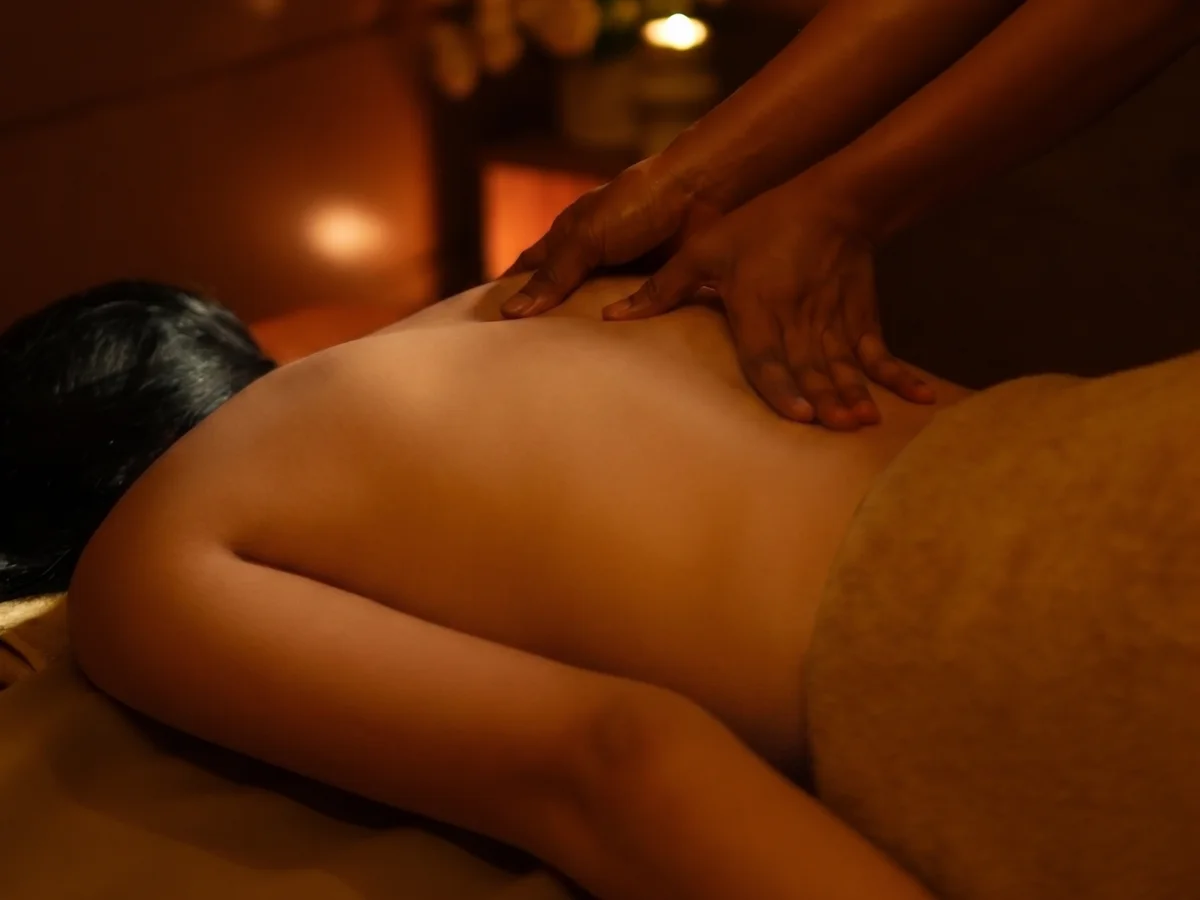
How to adjust massage pressure and what to say to your therapist for a more comfortable, personalized session.
Why massage pressure matters
Massage pressure is one of the main factors that shapes how a session feels—relaxing, intense, or somewhere in between. The same technique can feel very different from one person to another because muscle tension, sensitivity, stress level, sports activity, and fatigue all vary. For that reason, a good massage experience depends not only on the therapist’s technique but also on your feedback.
The goal of a comfortable session is to find the right rhythm for your body. Some days a lighter touch is enough, while on other days you may want a deeper, more focused approach. What matters most is that the pressure feels right for you.
What should you tell your therapist about pressure?
A short and clear conversation at the beginning of the session can improve the experience significantly. Phrases like “Could you go a little lighter?”, “You can work a bit deeper here,” or “This pressure feels perfect” are very helpful. They allow the therapist to adjust the touch right away.
If the pressure changes during the massage, do not hesitate to speak up. It is better to give feedback immediately than to wait while discomfort builds up. A good therapist will appreciate hearing your boundaries and will adapt the session accordingly.
Useful phrases you can say
- “Could you make the pressure a little lighter?”
- “You can work a bit deeper on this area.”
- “This pressure feels just right.”
- “This spot is sensitive, please be gentler.”
- “I prefer medium pressure instead of deep work.”
Personal factors that affect massage pressure
Not every body responds the same way. Someone with high muscle tension may feel better with firmer work, while a person with a low pain threshold or sensitive skin may prefer softer touch. The same person may also want a different massage pressure level on different days.
For example, after an intense workout, Sports Massage may offer a more targeted approach, while those looking for a calmer experience may prefer Classic Swedish Massage. If you want deeper work on tight areas, you can also ask about Deep Tissue Massage.
When should you ask for a change in pressure?
You do not need a special reason to ask for an adjustment. Discomfort, a ticklish feeling, too much sensitivity, a sense that your breath is tightening, or even the feeling that you can barely feel the touch are all valid reasons to speak up. Small adjustments can make a big difference in the quality of the session.
Some areas are naturally more sensitive than others. The neck, shoulders, and lower back often need careful pressure management. In such cases, your therapist may suggest a more focused option such as Medical Massage or Spot Massage, depending on what you need.
How to give feedback well
You do not need long explanations when giving feedback. Short, clear, and polite phrases are enough. Saying “a little lighter,” “a bit deeper,” or “we can stay here” helps the therapist adjust immediately. This communication makes the session safer and more effective.
It is also helpful to share when something feels good, not only when something feels off. Saying “this pace is great” tells the therapist they are on the right track. That way, you can keep a consistent experience throughout the session.
What to share before the session
- Let the therapist know if you have muscle sensitivity.
- Mention if you are coming after sports, desk work, or a long trip.
- Say which area should receive more attention or less pressure.
- Share whether you prefer oily, oil-free, or flowing techniques.
How pressure can differ across massage types
Not every massage uses pressure in the same way. For example, Aromatherapy Massage often feels softer and more relaxing, while Hot Stone Massage may help ease the muscles through warmth. Techniques such as Traditional Thai Massage and Shiatsu Massage can also involve a different rhythm and style of pressure.
That is why it helps to state your expectations when booking. Are you looking for relaxation, or do you want more attention on a specific muscle group? Clarifying this helps the therapist choose the right technique and the most suitable massage pressure.
Tips for feeling comfortable and in control
A good spa experience is shaped by both technique and communication. Try not to hold your breath during the session, notice when your body starts to relax, and speak up whenever needed. Remember, massage happens on your body, and your comfort comes first.
At Aqua Plus, you can choose from different massage options and share your preferred pressure level with your therapist at the start of the session. For the best experience, we recommend booking an appointment or making a reservation at one of our branches.
For health-related questions, please consult a professional.