
How Often Should You Get a Massage? A Needs-Based Guide
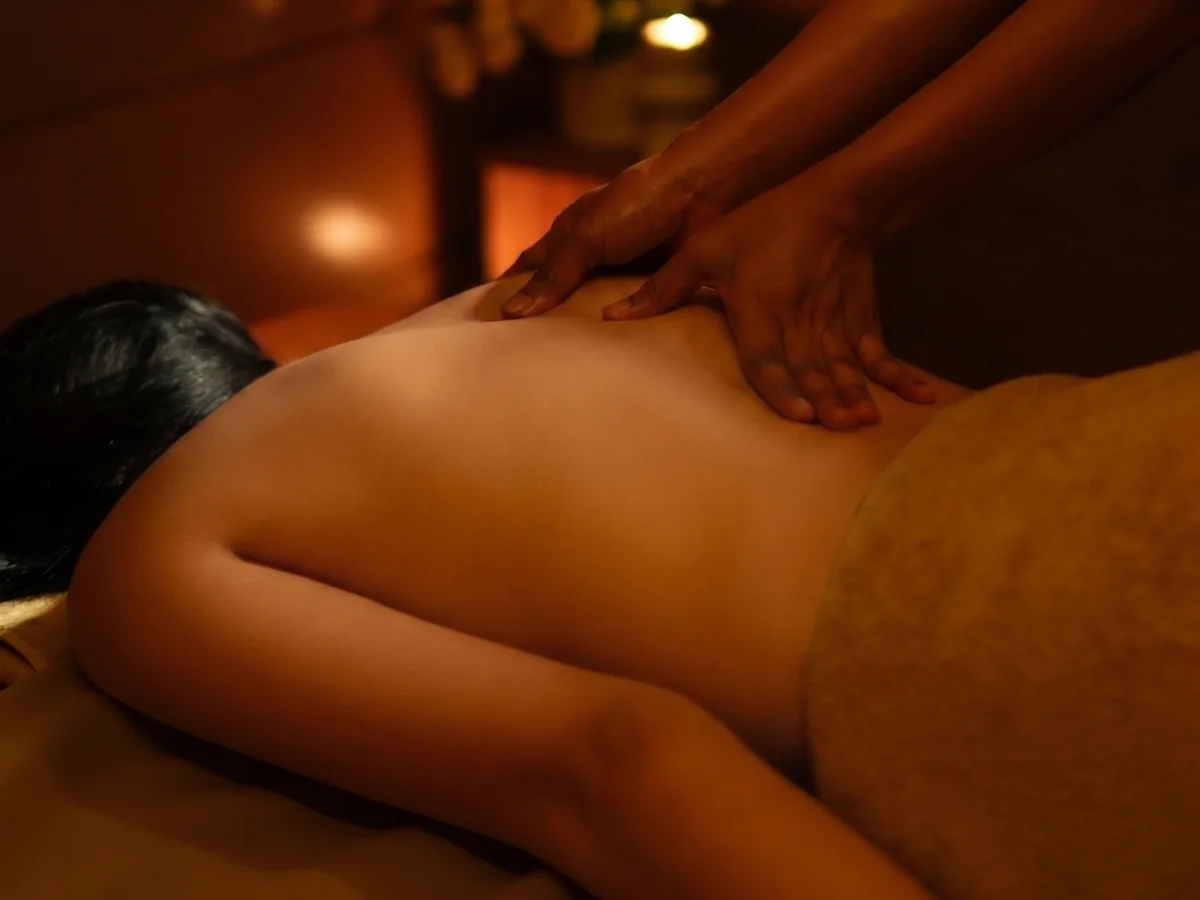
How often should you get a massage? Find the right session rhythm based on your goals, routine, and body’s needs.
How often should you get a massage? Start with your actual needs
There is no single answer to the question of how often should you get a massage. The right frequency depends on your daily routine, muscle tension, exercise habits, and overall wellness goals. For some people, weekly sessions make sense; for others, once a month is enough. The key is to treat massage as a needs-based wellness habit rather than a one-size-fits-all indulgence.
When deciding on frequency, pay attention to what your body is telling you. Someone who sits at a desk all day may need a different rhythm than someone who trains regularly. Likewise, a person seeking deep relaxation will not need the same schedule as someone focused on a specific tight area. If you want to explore options that match your goal, you can look into Classic Swedish Massage, Medical Massage, or Sports Massage.
How massage frequency changes by goal
A practical way to think about massage frequency is to match it to the reason you are booking. Relaxation-focused sessions may fit into wider intervals, while recurring tension or athletic recovery may call for a more regular schedule. The best plan is flexible and based on how your body responds over time.
For stress relief and general relaxation
If your main goal is to unwind, a moderate rhythm is often enough. An option like Aromatherapy Massage may suit people who want a calm, soothing experience without overloading the body. For many guests, monthly sessions or slightly more frequent visits during busy periods can help maintain a sense of balance.
For chronic tension and desk-based routines
If you regularly feel tightness in the neck, shoulders, or back, you may benefit from a more consistent schedule. Deep Tissue Massage and Medical Massage are often chosen when the goal is to address persistent muscle tension in targeted areas. In these cases, the ideal frequency depends on your work habits, posture, and overall physical load. When in doubt, consult a qualified professional for a personalized plan.
For active and sporty bodies
People who exercise regularly often need massage timing that follows their training load. Recovery-focused sessions can be booked more often during intense training cycles. Sports Massage can be planned around your workout routine to support muscle recovery and physical readiness. If you feel repeated load in the legs, back, or shoulders, aligning massage frequency with your training schedule is a smart approach.
For local, area-based care
Sometimes the whole body does not need attention—just one specific area does. In that case, Spot Massage can be a practical option for focused care. This type of session may work well for guests who want efficient, targeted attention without a full-body appointment every time. Frequency should be based on how often the tension returns and how intense the strain is.
What should guide your massage schedule?
The best schedule is not built only around the calendar; it should also reflect your body’s signals. Feeling lighter, more mobile, and more relaxed after a session is usually a good sign. But if you notice unusual soreness or discomfort, it may be time to adjust the timing or intensity.
- Your daily stress level
- Your physical activity level
- Whether the tension is local or widespread
- Your sleep quality and recovery feeling
- How your body responds after each session
The purpose of the massage matters too. Relaxation, recovery, maintenance, and area-specific care all point to different frequencies. Someone looking for occasional calm may not need the same rhythm as someone dealing with repeated muscle tightness. So the most accurate answer to how often should you get a massage is the one that fits your personal needs.
The massage type you choose also affects frequency
Different massage styles can call for different schedules. If you prefer a softer, flowing experience, Classic Swedish Massage or Aromatherapy Massage may be a good match. If you need a more intensive and focused approach, Deep Tissue Massage or Medical Massage may be more suitable. The content and effect of the session can help you decide when to book the next one.
If you like to combine massage with a broader wellness experience, you may also explore Traditional Turkish Hammam. That can be a nice complement for guests who want a more complete reset. Since Aqua Plus has branches in Istanbul and Izmir, you can also choose the location that works best for your routine by visiting the branches page.
When should you book more often, and when is less enough?
If you are going through a high-stress period, training intensely, or dealing with recurring tightness, a more regular massage rhythm may be helpful. If you are mainly looking for occasional relaxation, less frequent sessions may be perfectly fine. The healthiest approach is to view massage as a steady wellness habit that adapts to your life, not as a last-minute fix.
Keep in mind that massage is not a substitute for medical care. If you have ongoing pain, limited movement, or chronic symptoms, it is best to consult a healthcare professional. Massage can still play a valuable supportive role by promoting comfort and relaxation.
To find the right massage type and schedule for your needs, explore Aqua Plus services and plan your appointment at the branch that suits you best. With the right pace, the right treatment, and a consistent routine, your massage experience becomes much more effective.
For health-related questions, please consult a professional.