
Kese vs Peeling: Choosing the Right Skin Renewal
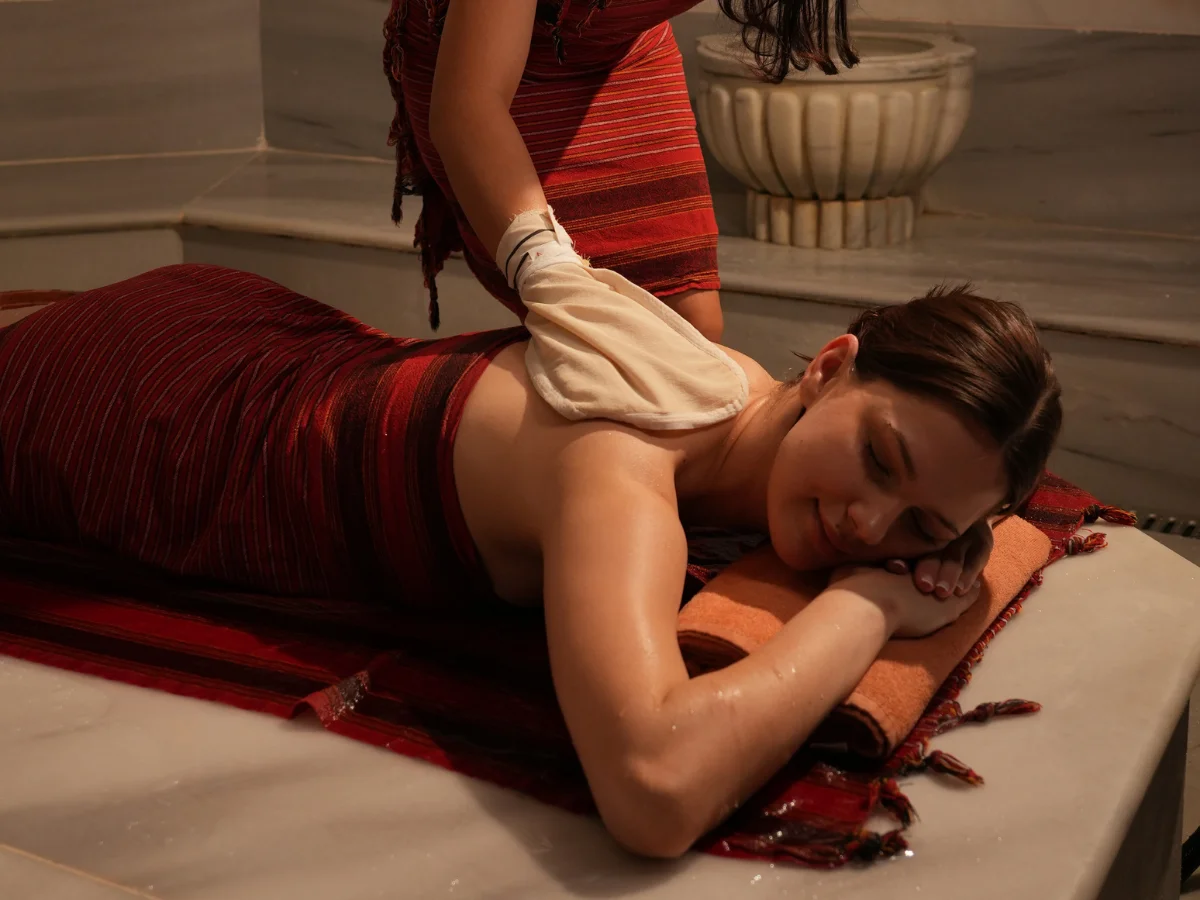
What is the difference between kese and peeling, and when should you choose each? A practical guide to skin renewal.
Kese vs peeling: How do you choose the right skin renewal?
The difference between kese and peeling is often overlooked, yet these two skin-renewal methods serve different needs. Both can help the skin look smoother and fresher, but one is rooted in traditional hammam care while the other is generally a gentler, more controlled resurfacing step. Choosing the right one depends on your skin type, sensitivity, and the kind of result you want.
At Aqua Plus, these approaches can be experienced within different hammam and care rituals. For example, the Traditional Turkish Hammam includes kese as part of the ritual, while other experiences may incorporate peeling as a softer renewal step. To decide which option suits you best, it helps to understand the practical differences first.
When should you choose kese, and when is peeling a better fit?
Kese is one of the most recognizable elements of hammam culture. It helps remove buildup from the skin’s surface and strengthens the feeling of deep cleansing that many people seek in a traditional hammam experience. Peeling, on the other hand, is usually preferred as a more delicate renewal step focused on refining the skin’s surface. That is why skin sensitivity, texture, and your overall care goal matter when choosing between them.
Kese may be a better choice if:
- you enjoy a traditional hammam experience,
- your skin is more resilient,
- you want a stronger cleansing sensation,
- you prefer a more noticeable post-hammam freshness.
Peeling may be a better choice if:
- you want a gentler renewal step,
- your skin tends to be sensitive,
- you are focusing on smoothing the skin’s surface,
- you want to combine it with massage, hydration, or facial care.
In Istanbul branches, kese is often highlighted within hammam rituals, while in Izmir some more comprehensive experiences may include peeling as part of a broader care flow. For instance, the Ottoman Palace Hammam includes an option for a body mask or peeling within the traditional ritual. In Izmir, the Botanical Hammam Ritual offers a longer, botanically inspired care journey.
How should you choose based on your skin type?
Not every skin reacts the same way. This is why the difference between kese and peeling is not only about technique, but also about how the skin responds afterward. If your skin is dry, sensitive, or easily flushed, a gentler care approach may be more suitable. If it feels thicker, more resilient, or in need of deeper cleansing, kese may provide a more noticeable renewal effect.
When deciding, ask yourself: does my skin need stronger cleansing right now, or a softer renewal? Do I want a more pronounced fresh feeling after the hammam, or a calm and balanced post-care look? These questions make the choice easier and more personalized.
Can kese and peeling be considered together in a hammam routine?
Yes, in some care plans, kese and peeling can be used at different times depending on the skin’s needs. However, using both too intensely in the same session is not always necessary. For sensitive skin in particular, too much exfoliation can be tiring. That is why frequency and intensity should be adjusted according to the condition of the skin.
At Aqua Plus, the hammam experience is designed as more than cleansing alone; it is also a space for rest and renewal. Traditional rituals may include resting on the heated stone, foam massage, and hair washing, creating a complete experience rather than a single-step treatment. This holistic structure makes it easier to think about skin care in a broader way.
When is it wise to seek professional guidance?
If you have active irritation, strong sensitivity, eczema tendencies, or another dermatological concern, it is best to consult a professional before choosing between kese and peeling. General care advice does not work the same way for everyone; the safest choice depends on your skin’s current condition.
If you want to combine skin renewal with relaxation, Aqua Plus also offers complementary experiences such as Aromatherapy Massage or Classic Swedish Massage. These can support the sense of ease and recovery after a hammam ritual, turning the visit into a more complete wellness experience.
Final takeaway: kese or peeling?
In short, the difference between kese and peeling lies in the intensity, traditional context, and the feeling they leave on the skin. Kese offers a more classic and stronger cleansing experience, while peeling provides a gentler and more controlled renewal approach. The right choice depends on your skin’s needs and your expectations.
If you would like to enjoy hammam, care, and relaxation together, you can choose the ritual that suits you best at Aqua Plus and plan your reservation accordingly. For a skin-friendly and comfortable experience, consider booking your appointment with Aqua Plus.
For health-related questions, please consult a professional.