
Turkish Bath Culture and History: From Tradition to Today
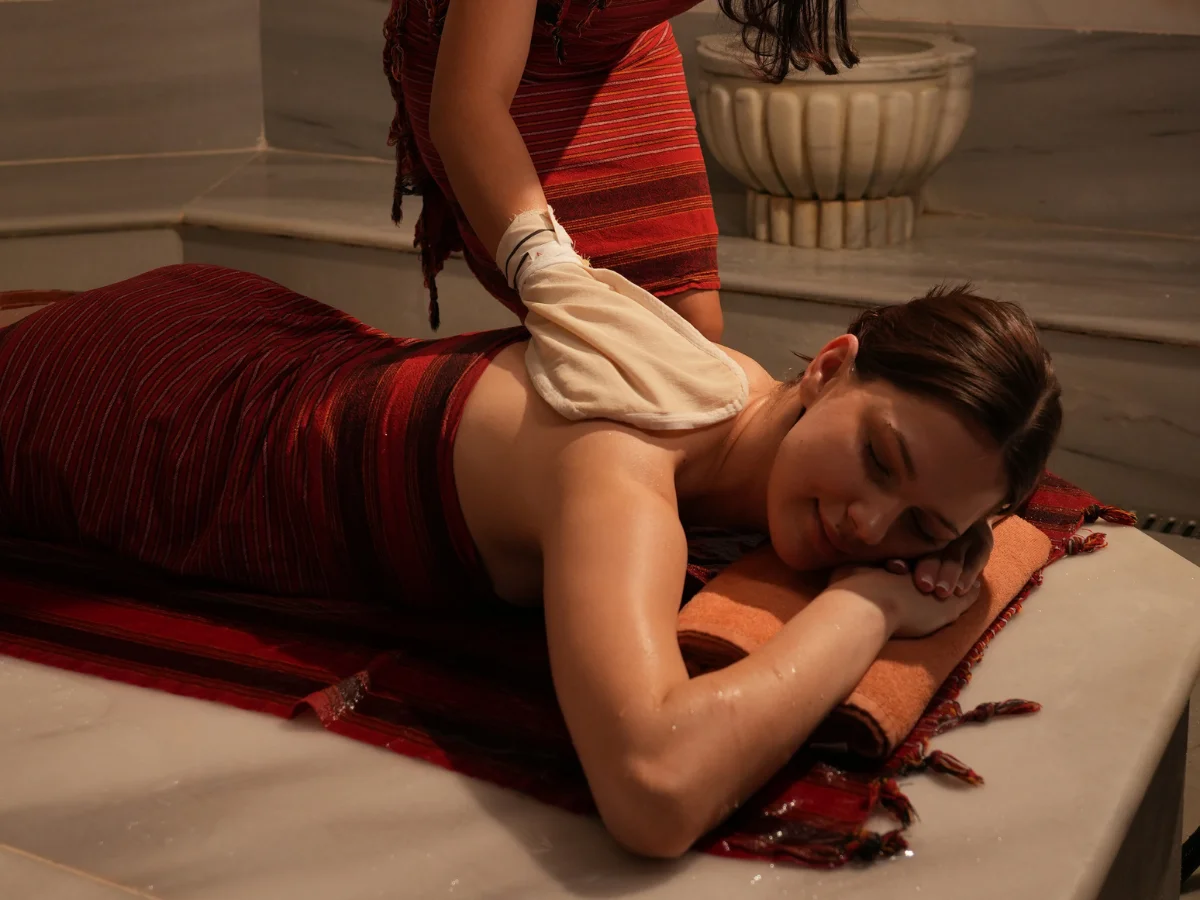
Discover Turkish bath history, culture, and rituals, and explore this traditional experience from the Ottoman era to today.
Turkish Bath History: A Deep-Rooted Tradition
Turkish bath history is not only about cleansing, but also about social life, architecture, and ritual. Turkish bath culture evolved in Anatolia through the influence of Central Asian, Roman, and Byzantine bathing traditions, eventually taking on its distinctive form. During the Ottoman era, baths became an essential part of daily life and were widely used as public spaces for hygiene, relaxation, and social interaction.
Today, a Turkish bath means much more than washing. It represents purification, relaxation, and a traditional care experience that has preserved its cultural identity across generations.
The Role of the Bath in the Ottoman Era
In Ottoman cities, baths were often at the center of neighborhood life. They were used for daily hygiene, pre-event preparations, and social gatherings. Separate sections for men and women reflected the social structure of the period. Bath architecture was also an important part of the tradition, with domes, heat transitions, and marble surfaces creating both functional and aesthetic harmony.
Baths were not only places for cleaning, but also for meeting, exchanging news, and resting. For this reason, Turkish bath history holds a strong place in collective memory.
Core Elements of Turkish Bath Culture
Turkish bath culture is built around specific rituals and practices. The experience combines heat, steam, and water in a balanced way to support relaxation. Scrubbing, foam washing, and resting are all part of a traditional care routine that has been passed down for centuries.
What stands out in the bath experience
- Gradually preparing the body with temperature changes
- Removing dead skin with a scrubbing ritual
- Refreshing the body with foam and water
- Taking short breaks in the relaxation area
- Enjoying mental ease in a traditional setting
These stages make the bath experience different from ordinary cleansing. They also create a meaningful cultural encounter.
Traditional Turkish Bath and the Modern Spa Approach
Today, bath culture is being reinterpreted through the modern spa experience. Traditional details are preserved while comfort, hygiene, and service quality become priorities. In a busy city like Istanbul, many people choose the bath to enjoy both a cultural tradition and a moment of rest.
At this point, the Traditional Turkish Bath experience stands out as a service that combines historical atmosphere with modern standards. For those seeking a more refined and ceremonial option, the Ottoman Palace Bath offers an elegant alternative.
The Cultural and Social Importance of the Bath
The Turkish bath is not only about personal care; it is also a vehicle for cultural continuity. Its presence can be seen in wedding preparations, holiday visits, and other special occasions. This strengthens the bath’s place in social memory.
Bath culture is also connected to hospitality, sharing, and community. For this reason, the Turkish bath is not a relic of the past; it remains a living tradition with meaning in today’s world.
What to Consider Before Visiting a Bath
To get the most from the experience, a few simple points are worth keeping in mind. People with heat sensitivity, skin concerns, or special health conditions should consult a professional before visiting. The experience should be planned according to personal comfort, with enough water intake and rest breaks.
- Make sure to drink enough water before your visit.
- Avoid staying in hot environments for too long.
- If your skin is sensitive, keep exfoliation gentle.
- Seek professional advice if needed for your health condition.
Experiencing a Turkish Bath in Istanbul
Istanbul is one of the best cities to experience this tradition thanks to its historical texture and strong bath culture. Aqua Plus Spa & Wellness serves guests at its Istanbul branches: Bağcılar, Fatih, Mecidiyeköy (Şişli), Topkapı (Zeytinburnu), and Pendik. This makes it easy to enjoy a corporate, reliable, and comfortable bath experience within the city.
To explore all Istanbul locations, visit our branches page.
Conclusion: A Relaxation Ritual Rooted in Tradition
Turkish bath culture is a centuries-old tradition of cleansing, relaxation, and social connection. Turkish bath history offers a valuable guide to understanding how this tradition developed, how it became part of social life, and how it has reached the present day. Today, the bath remains important both as cultural heritage and as a peaceful care experience.
If you would like to experience traditional atmosphere with modern comfort at Aqua Plus Spa & Wellness, you can make a reservation at the branch that suits you best. We look forward to welcoming you for a relaxing and reassuring bath experience.
For health-related questions, please consult a professional.