
Is Pain After Massage Normal? How Long Does It Last?
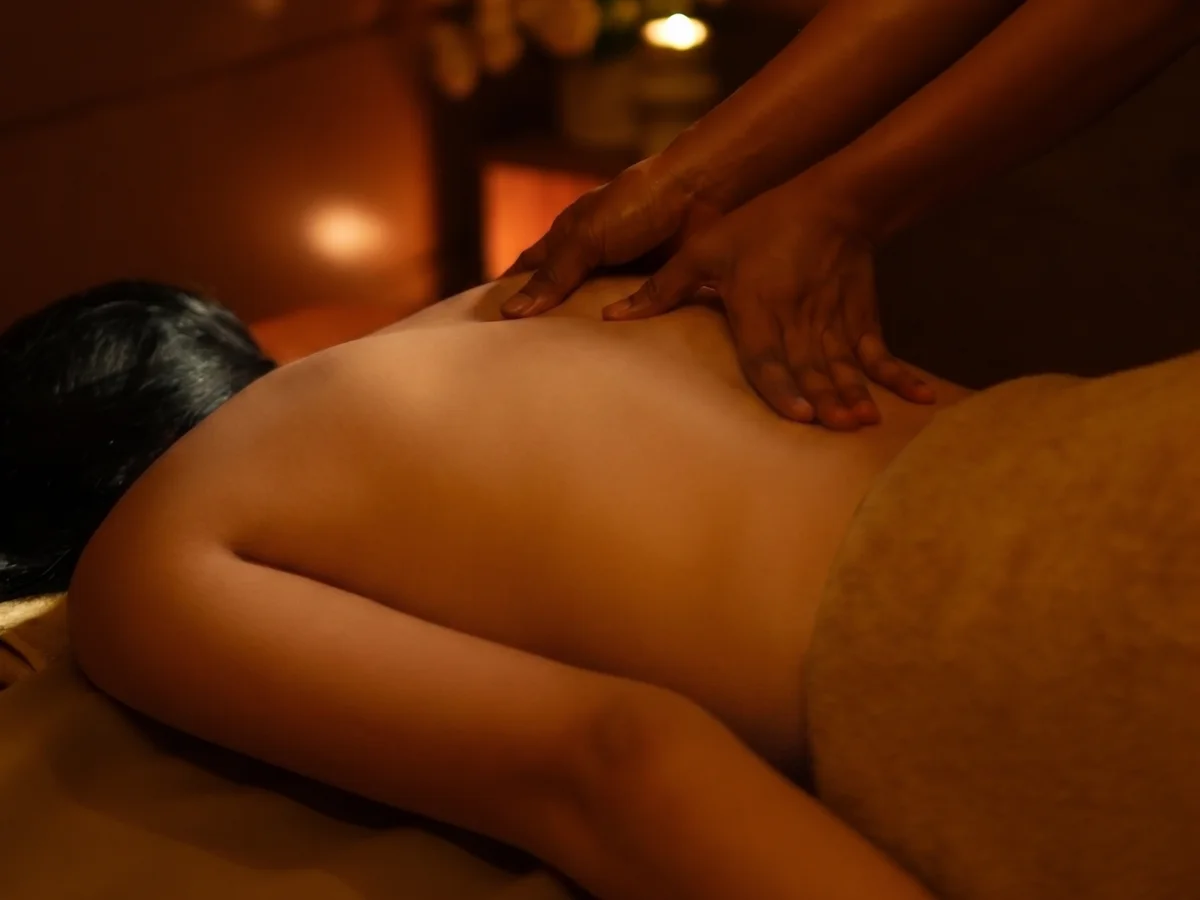
Can pain after massage be normal, how long does it last, and when should you pay attention? A short, clear guide.
Is Pain After Massage Normal?
Pain after massage can happen, especially after stronger techniques or when your muscles have been tense for a long time. It does not always mean something is wrong; sometimes it is a temporary response as the tissues are worked. What matters most is the intensity, duration, and any other symptoms that come with it.
Mild tenderness, soreness when touched, or a tired feeling in the muscles the next day is often expected. However, sharp pain, pain that keeps increasing, or discomfort that makes daily movement difficult should not be treated as normal. In those cases, it is best to consult a healthcare professional.
How Long Does It Usually Last?
In many cases, mild soreness eases within a few hours to 1-2 days. After more targeted and intensive sessions such as deep tissue massage, sports massage, or medical massage, a short period of muscle soreness may be felt. The duration depends on the session intensity, your body’s condition that day, and your sensitivity.
For first-time guests or when long-unworked areas are addressed, this period may feel a little longer. On the other hand, more flowing sessions such as Classic Swedish Massage or Aromatherapy Massage usually leave a lighter post-session sensation.
When Is It Considered Normal?
The following are generally seen as temporary:
- Mild muscle soreness
- Tenderness when touched
- Light stiffness the next day
- A sense of tiredness or relaxation
These signs often improve with rest, enough water intake, and gentle movement. Giving your body time to recover after a more intensive session can make a big difference.
When Should You Pay Attention?
Not every type of pain is a natural result of massage. Be cautious if:
- The pain gets worse over time
- It feels sharp, stabbing, or concentrated in one spot
- Bruising, swelling, or numbness appears
- It lasts longer than 2-3 days
- It clearly limits daily movement
If any of these happen, share the feedback with your massage therapist and seek medical advice if needed. This is especially important if you have a chronic condition, a recent injury, or are using medication.
What Can Help Reduce Post-Massage Soreness?
Simple steps can support your body after a massage. Drinking warm water, taking a light walk, avoiding heavy exercise, and getting enough rest are all helpful. Very hot showers or additional deep pressure may increase sensitivity for some people.
Sharing your expectations before the session also matters. If you are sensitive, a gentler approach may be better. For a relaxation-focused session, Classic Swedish Massage can be a comfortable choice, while a more focused option such as Spot Massage may suit a specific area. This helps tailor the session to your needs.
Why Communication Before and After the Session Matters
Explaining your current discomfort, sensitive areas, and previous experiences helps make the session safer and more comfortable. If your neck, lower back, or shoulders are sensitive, it is important to mention that before the massage begins. The technique can then be adjusted to your needs.
It also helps to observe your body afterward so you can tell the difference between normal post-session soreness and something that needs attention. Mild short-term tenderness is often expected, but when in doubt, getting professional advice is the safest route.
Conclusion
In short, pain after massage can be normal in some cases and usually fades fairly quickly. Mild soreness is often expected after more intensive techniques, but severe, increasing, or long-lasting pain should not be ignored. Listen to your body and ask for adjustments when needed.
If you would like help choosing the right massage or planning a more comfortable session, you can book an appointment at Aqua Plus and speak with the team about an experience that fits your needs.
For health-related questions, please consult a professional.